How to Avoid Seal Failure Glazing: The Definitive Engineering
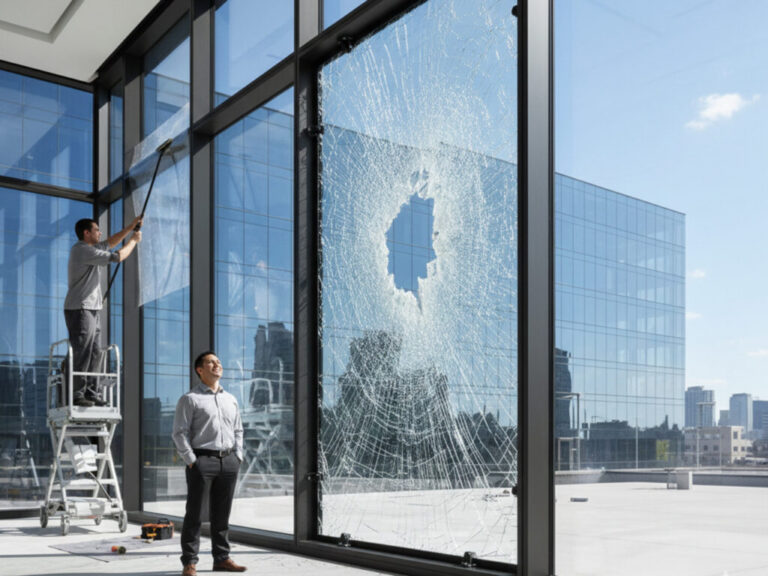
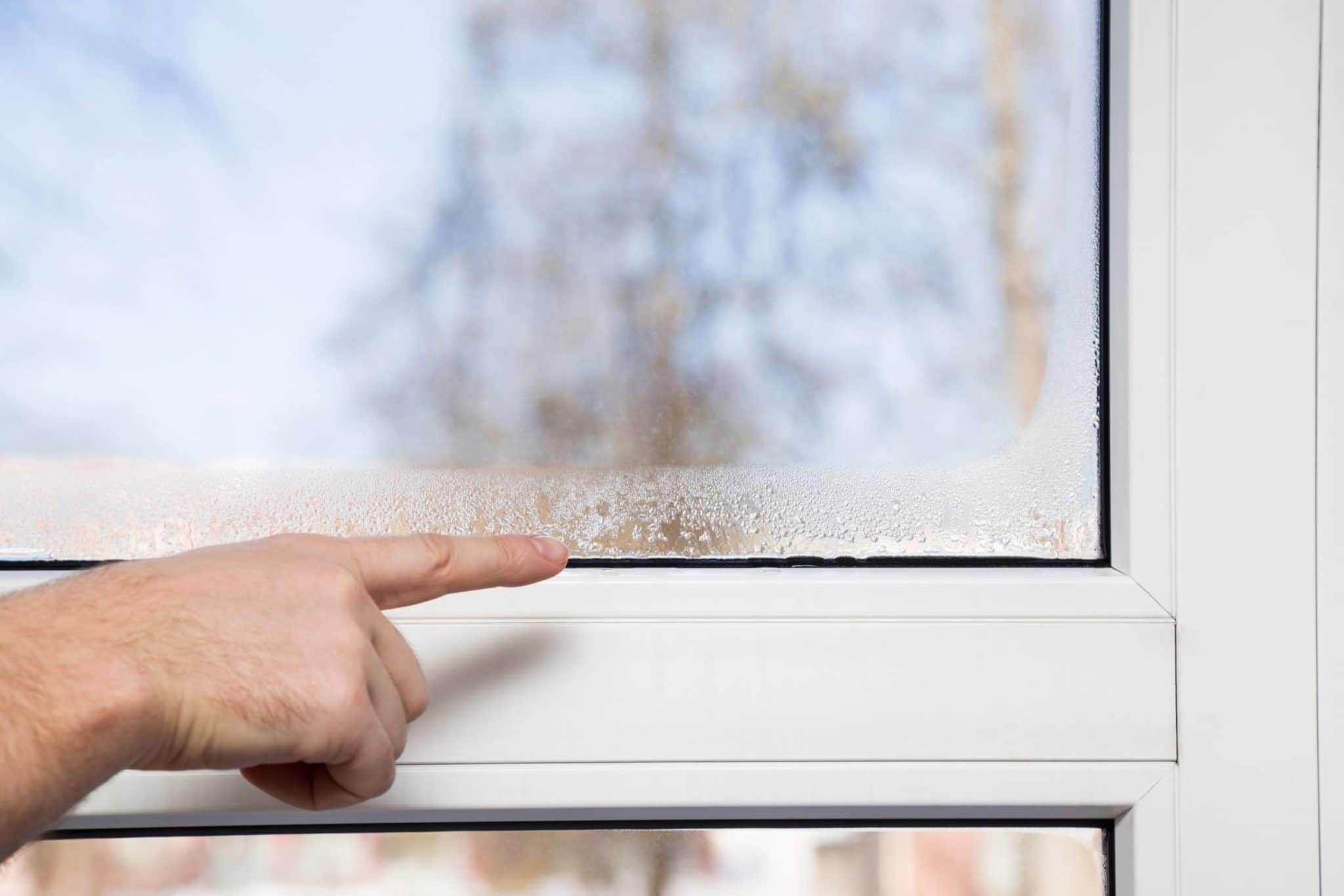
The physics of the transparent building envelope is a study in managed tension. While the glass itself is often perceived as the primary agent of thermal performance, the actual mechanical heart of any modern window is the hermetic seal. How to Avoid Seal Failure Glazing. When an Insulated Glass Unit (IGU) is manufactured, it is intended to function as a closed system—a pressurized vessel of dry air or noble gas trapped between two or more panes. The failure of this seal is not merely a cosmetic inconvenience; it is a total systemic breakdown that converts a high-performance thermal barrier into a liability that facilitates condensation, obscures visibility, and accelerates the degradation of the surrounding architecture.
Preventing this failure is a multidisciplinary challenge that spans chemical engineering, structural dynamics, and onsite labor precision. The sheer number of variables involved—ranging from the molecular structure of the primary sealant to the specific drainage topography of the window sash—means that a surface-level understanding is insufficient for long-term envelope reliability. Most failures are not the result of “bad glass,” but rather a failure to account for the relentless mechanical stress of solar pumping, where daily temperature fluctuations force the glass to bow and flex, putting thousands of pounds of pressure on the edge-seal every year.
To master the longevity of these systems, one must look past the manufacturer’s warranty and into the forensic reality of the glazing pocket. It requires an understanding of how water, UV radiation, and chemical incompatibility act as compounding stressors. This analysis serves as a definitive resource for architects, facility managers, and high-end residential owners who require a rigorous framework for maintaining the hermetic permanence of their glazed assets.
Understanding “how to avoid seal failure glazing”
Addressing how to avoid seal failure glazing requires an analytical shift from viewing the window as a static object to seeing it as a dynamic machine. The primary objective is to maintain a moisture-free environment within the IGU cavity while retaining the insulating gas (such as Argon or Krypton). This is achieved through a “dual-seal” architecture. The primary seal, typically polyisobutylene (PIB), is the frontline moisture barrier. The secondary seal—usually silicone, polysulfide, or polyurethane—provides the structural muscle that keeps the unit together.
Oversimplification in this field often leads to the “unit-only” fallacy. Many believe that if they buy a high-rated IGU, the problem is solved. However, the seal is only as resilient as the environment in which it sits. If a window sash does not allow for adequate drainage, the bottom edge of the glass sits in a permanent bath of standing water. This water eventually “chemically attacks” the secondary seal, softening the polymer and allowing moisture to migrate past the primary PIB barrier.
Furthermore, the mechanical stress of “Solar Pumping” remains the most under-accounted variable. As the gas inside the cavity heats up, the panes bow outward; as it cools, they suck inward. If the seal is too rigid, it shears; if it is too soft, it creeps. Managing this balance involves selecting the correct shore-hardness for setting blocks and ensuring the perimeter clearance—the “bite” of the frame—is precisely calculated to allow for this movement without exposing the seal to UV radiation.
The Systemic Evolution of the Hermetic Barrier
The history of glazing is a transition from density to chemistry. Early double-glazing in the mid-20th century utilized a single organic seal. These units were notoriously fragile, with lifespans often limited to a decade. The industry’s systemic response was the development of the “Dual Seal” standard, which separated the tasks of moisture exclusion and structural adhesion.
As energy codes tightened in the 1990s, the evolution focused on the spacer—the component that holds the glass apart. We moved from cold aluminum spacers, which created a thermal bridge and excessive edge condensation, to “Warm Edge” technologies. These spacers, made of stainless steel or structural foam, significantly reduced the thermal stress at the glass edge, thereby lowering the mechanical fatigue on the sealants.
The current frontier involves “Thermoplastic Spacers” (TPS) and specialized silicone chemistries designed for 50-year cycles. However, as the demand for larger, heavier, and triple-glazed units has grown, the “dead load” on the seals has increased. Modern evolution is now less about the material itself and more about the precision of automated application, which eliminates the human error inherent in manual corner sealing—the traditional weak point of any hermetic system.
Conceptual Frameworks: The Physics of Permanence
1. The “Airtightness-Drainage” Paradox
This model suggests that a window must be perfectly airtight to the interior but perfectly “drained” to the exterior. To prevent seal failure, the glazing pocket must be seen as an extension of the building’s drainage plane. If water enters the pocket, it must have a clear, unencumbered path to exit before it can interact with the edge seal.
2. The “Solar Pumping” Fatigue Model
Sound management of seal integrity requires treating the IGU as a bellows. Every daily temperature cycle is one “flex.” A seal that can withstand 5,000 cycles may fail in 15 years, whereas one designed for 20,000 cycles will last 50. This model prioritizes the “elongation at break” of the secondary sealant.
3. The “Chemical Migration” Framework
A window is a cocktail of chemicals. This framework focuses on the compatibility between the IGU sealants and the accessory materials: glazing tapes, setting blocks, and perimeter caulking. If these materials contain plasticizers that can migrate into the PIB, the seal will fail regardless of how well the unit was manufactured.
Key Categories of Sealant and Spacer Architectures
Choosing the right assembly is a trade-off between structural rigidity and thermal elasticity.
| Spacer/Seal Type | Primary Advantage | Mechanical Limitation |
| Aluminum/Polysulfide | High structural strength | High thermal stress; poor UV resistance |
| Stainless Steel/Silicone | Excellent UV and moisture stability | Higher gas permeability than polysulfide |
| Structural Foam (Super Spacer) | Best thermal performance; high elasticity | Lower structural rigidity for very large units |
| TPS (Thermoplastic) | No corner joints; seamless barrier | Requires high-capital automated machinery |
| Polyurethane Seal | Best gas retention | Low UV resistance; requires deep frame “bite” |
Forensic Real-World Scenarios and Decision Logic How to Avoid Seal Failure Glazing
Scenario 1: The High-Altitude Thermal Bow
A residential project at 7,000 feet altitude uses units manufactured at sea level.
-
The Diagnostic: The change in pressure causes the glass to “pillow” outward, stretching the seals to their limit before the building is even occupied.
-
The Decision: Specify “capillary tubes” or “breather tubes.” These allow the internal and external pressures to equalize during transport and acclimation.
-
Failure Mode: If the tubes are not crimped properly after the unit has “settled,” moisture will bypass the seal and saturate the desiccant within months.
Scenario 2: The Dark Frame Overheating
A commercial building features black-anodized aluminum frames in a high-solar-gain environment.
-
The Diagnostic: The dark frames can reach temperatures of 160°F, significantly higher than the glass itself. This creates massive shear stress as the frame expands faster than the IGU.
-
The Decision: Use a wide glazing pocket with EPDM gaskets that allow the glass to “float” independently of the frame movement.
-
Second-Order Effect: The high heat may cause “secondary seal migration,” where the sealant softens and oozes into the sightline.
Economic Dynamics: Planning and Resource Allocation
The economics of how to avoid seal failure glazing are governed by the “10-100-1000 Rule.” A $10 seal enhancement at the factory prevents a $100 onsite remediation, which in turn prevents a $1,000 replacement involving scaffolding and specialized labor.
| Component | Cost Variability | Performance ROI |
| Argon/Krypton Gas | Low | High (Thermal stability) |
| Warm Edge Spacer | Medium | Critical (Reduces edge fatigue) |
| Structural Silicone | Medium | High (UV and moisture resilience) |
| Desiccant Volume | Low | Moderate (Extends time-to-fogging) |
Direct vs. Opportunity Costs
The direct cost of a failed seal is the unit replacement. The opportunity cost includes the loss of thermal efficiency (increased HVAC loads) and the potential damage to interior finishes from condensation “weeping” off the glass and onto timber or drywall.
Strategies, Support Systems, and Technical Tools
-
Acoustic Desiccant Testing: Using non-invasive sensors to measure the moisture saturation level of the desiccant before visible fogging occurs.
-
Weep-Hole Probes: Simple mechanical tools to ensure that drainage paths are not blocked by debris, insect nests, or excessive paint.
-
Shore Durometer: A device to verify the hardness of setting blocks; blocks that are too soft allow the IGU to “sink” and block the drainage path.
-
Molecular Sieve Desiccants: Specifying high-grade desiccants that only absorb water molecules and not the insulating gas itself.
-
Compatibility Testing: Utilizing “ASTM C1087” testing protocols to ensure that glazing accessories won’t degrade the primary seal.
Risk Landscape: A Taxonomy of Failure Modes
-
UV Shadowing: Occurs when the window stops are too shallow, allowing UV rays to hit the primary PIB seal. PIB is not UV-stable and will degrade, leading to gas loss.
-
Water Ponding: The most common “quiet killer.” If the glazing pocket is not sloped or drained, the seal is under constant hydrostatic pressure.
-
Plasticizer Migration: Chemicals from cheap PVC gaskets “leach” into the secondary seal, turning it into a gummy, non-structural liquid.
-
Desiccant “Snowboading”: When the internal desiccant breaks down into dust, it coats the inside of the glass, indicating a systemic failure of the spacer integrity.
Governance, Maintenance, and Lifecycle Adaptation
A window is a “living” part of the building envelope. It requires a governance structure that moves beyond reactive cleaning.
The Quarterly Audit Checklist:
-
Weep Path Verification: Pour water into the sill to ensure it exits the exterior weep holes in under 60 seconds.
-
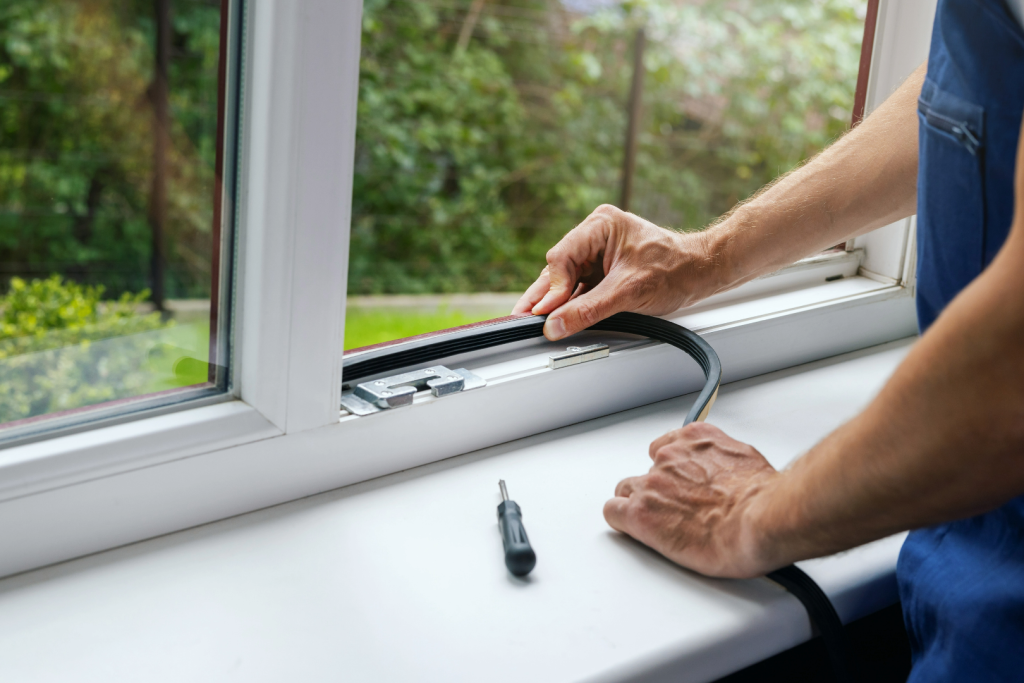
Gasket Compression Check: Ensure the gaskets are still pliable and pressing firmly against the glass; hardened gaskets allow water to bypass the drainage system.
-
Sealant “Ooze” Detection: Look for signs of the black primary seal migrating into the clear area of the glass.
Measurement, Tracking, and Evaluation of Success
-
Leading Indicators: Periodic dew-point testing. If the internal dew point of the IGU rises from -60°F to -20°F over three years, the seal is failing even if the glass is clear.
-
Lagging Indicators: Visible condensation, “oil-canning” (distorted reflections), or a noticeable increase in interior glass surface temperature during winter.
-
Documentation: Maintain a “Glazing Log” that tracks the manufacturer, date of install, and any repairs for every unit. This is critical for warranty claims and building value assessments.
Common Misconceptions and Industry Oversimplifications
-
Myth: “Fogging means the glass is broken.” Correction: The glass is usually fine; it is the seal that has failed. However, the resulting moisture can eventually etch the glass surface permanently.
-
Myth: “Argon gas is just a gimmick.” Correction: Argon is denser than air; it reduces the internal convection currents that put pressure on the seals.
-
Myth: “Lifetime warranties are absolute.” Correction: Most warranties exclude “improper drainage,” which is the cause of 80% of field failures.
-
Myth: “Setting blocks aren’t important.” Correction: Setting blocks are the “foundation” of the IGU. If they are misplaced, they can cause the glass to “pinch” and crack the seal at the corner.
Ethical, Practical, and Contextual Considerations
There is an environmental ethics component to seal longevity. The “embodied energy” of a triple-glazed, laminated IGU is immense. When that unit fails in 10 years due to a 50-cent weep-hole blockage, the carbon cost of manufacturing, transporting, and disposing of that glass is a significant environmental failure. Practicing “Forensic Glazing”—prioritizing seal life over the lowest initial bid—is a tangible act of sustainable architecture.
Conclusion: Synthesis and Architectural Judgment
The challenge of how to avoid seal failure glazing is won or lost in the details of the assembly. It requires a synthesis of material science and onsite discipline. As we move toward more complex facades and higher energy expectations, the “hermetic barrier” remains the single point of failure that can compromise an entire project.
Success is found in the relentless management of the glazing pocket: ensuring water cannot dwell, chemicals cannot migrate, and UV cannot attack. By treating the window as a dynamic system rather than a static piece of glass, we can transition from a culture of replacement to a culture of permanence. The transparent envelope should be a generational asset, but only if the seals that define its performance are protected with the same rigor as the structure that supports them.