How to Reduce Solar Heat Gain: A Flagship Guide to Thermal
The modern obsession with expansive glazing and open, light-filled interiors has created a fundamental tension in architectural physics. While visual connection to the outdoors is a psychological necessity, the sun’s infrared radiation presents a formidable challenge to building performance and occupant comfort. How to Reduce Solar Heat Gain. Managing the energy that enters a structure through its transparent and opaque surfaces is no longer a matter of simple shading; it is a complex exercise in thermal balancing that dictates a building’s carbon footprint, its mechanical cooling requirements, and its ultimate longevity.
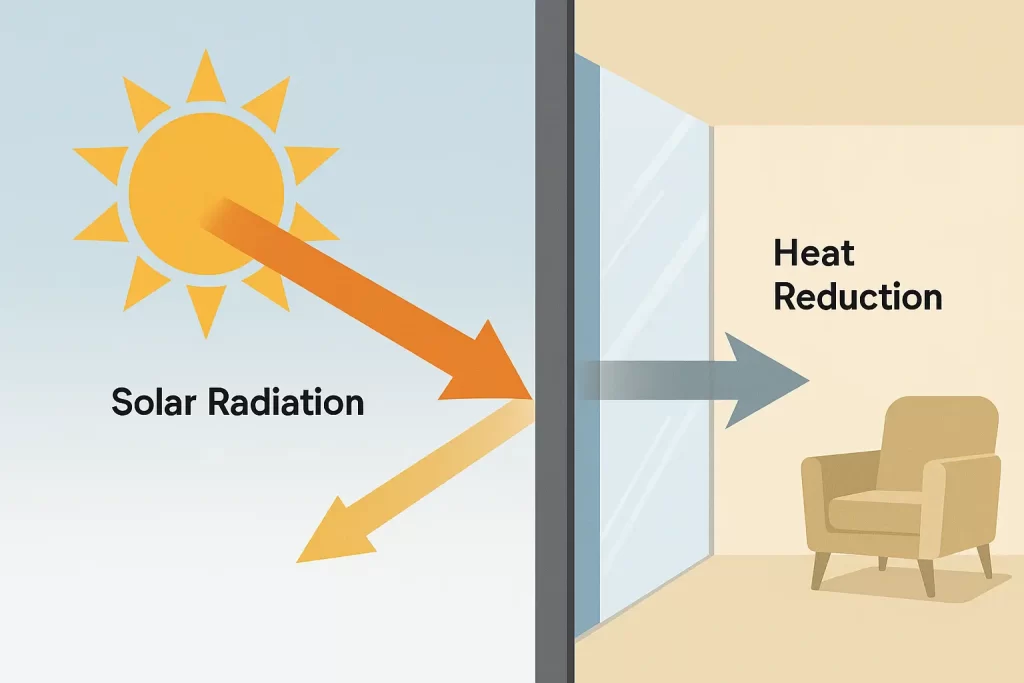
Solar heat gain is not a singular event but a multi-stage process of radiation, absorption, and re-emission. When short-wave solar radiation strikes a surface, it is either reflected, transmitted, or absorbed. The absorbed portion is eventually re-radiated as long-wave heat, which, in the presence of standard glass, becomes trapped—a phenomenon colloquially known as the greenhouse effect. Addressing this requires a systemic approach that considers the building as a holistic filter rather than a static box.
To master this discipline, one must navigate the delicate boundary between visible light and thermal energy. High-performance design seeks to maximize the former while aggressively mitigating the latter. This pursuit involves a sophisticated interplay of material science, site orientation, and mechanical integration. As global temperatures rise and energy costs fluctuate, the ability to architecturally decouple light from heat has become a primary benchmark for structural quality and environmental responsibility.
How to Reduce Solar Heat Gain
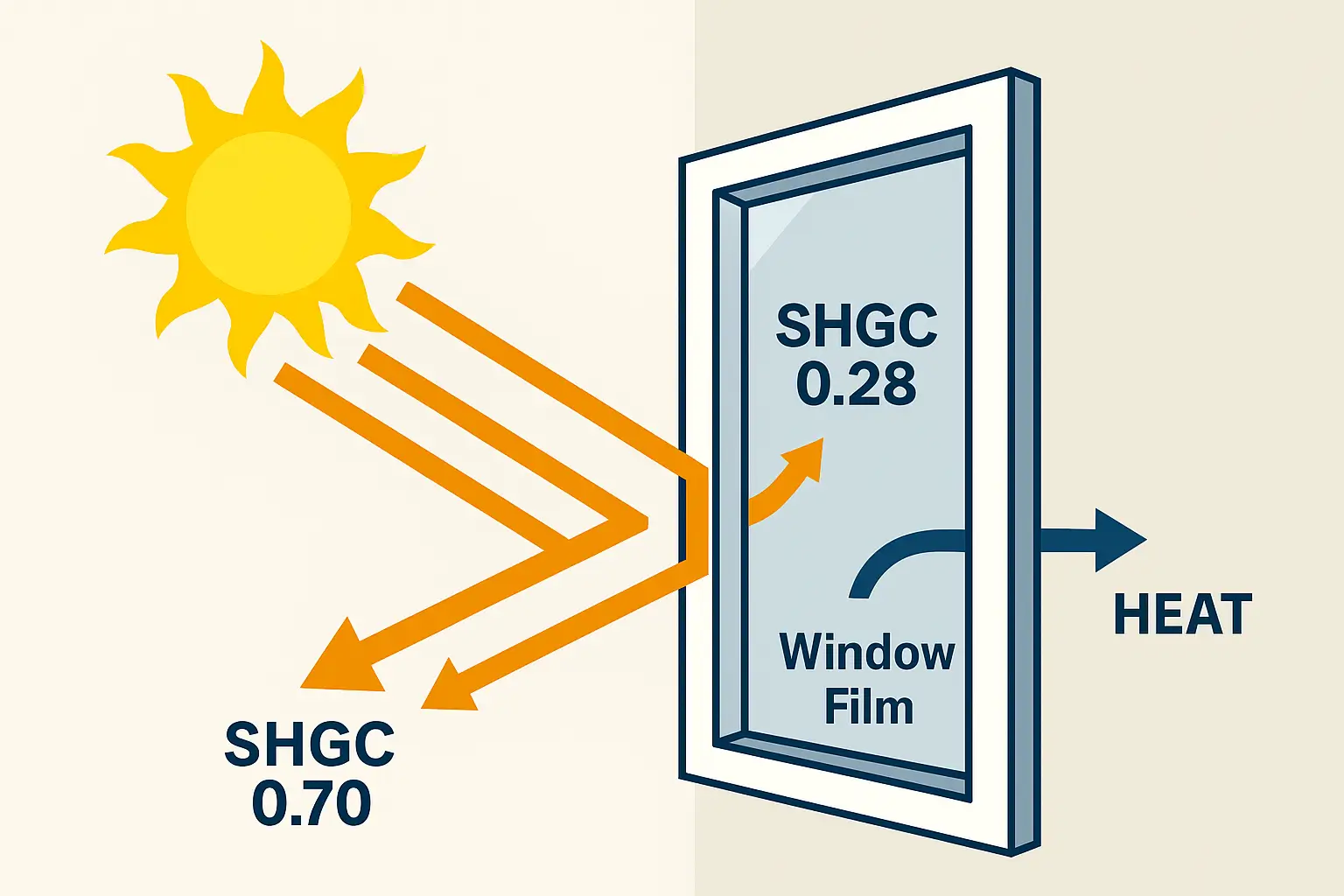
At its core, the inquiry into how to reduce solar heat gain is an inquiry into the management of the electromagnetic spectrum. Professionals often categorize these interventions into “passive” and “active” measures, but this binary is often insufficient for complex modern structures. A truly effective strategy requires understanding the Solar Heat Gain Coefficient (SHGC)—a decimal value representing the fraction of incident solar radiation that actually enters a building. To reduce this value, one must address three distinct vectors: direct solar radiation, diffuse sky radiation, and ground-reflected radiation.
A common misunderstanding in residential and commercial sectors is that thermal insulation (R-value) is the primary defense against heat gain. In reality, R-value governs conductive heat flow, whereas solar gain is primarily a radiative phenomenon. You can have a heavily insulated wall that still permits massive heat spikes if the glazing is improperly specified. Oversimplifying the solution to just “better windows” also ignores the impact of thermal mass. Without a place for residual heat to be stored and slowly released, even a low-SHGC building can suffer from rapid temperature swings during peak solar hours.
Furthermore, reducing gain is not synonymous with eliminating it. In temperate climates, “passive solar heating” is a desirable asset during winter months. The challenge, therefore, is not a permanent blockage but a seasonal or diurnal adaptation. This requires a shift from static building components to dynamic systems that can respond to the solar azimuth and altitude as they change throughout the year.
Deep Contextual Background: The Evolution of Solar Defense
Historically, architecture solved for solar gain through mass and orientation. The thick adobe walls of the American Southwest or the courtyards of Middle Eastern architecture utilized thermal lag—the time it takes for heat to travel through a material—to keep interiors cool during the day and warm at night. Windows were small, deeply recessed, and strategically placed to avoid the harsh southern or western sun.
The advent of the glass curtain wall in the 20th century discarded these vernacular wisdoms in favor of mechanical cooling. For decades, it was cheaper to build a “hot” glass box and cool it with high-tonnage HVAC systems than to engineer a thermally efficient facade. However, the energy crises of the 1970s and the subsequent push for sustainability have forced a return to integrated solar control. We have moved from physical shutters and awnings to microscopic spectrally selective coatings and “smart” glass that can change its opacity in response to an electrical charge.
Conceptual Frameworks and Mental Models
To analyze solar mitigation, designers rely on several mental models that clarify the behavior of heat:
-
The “Filter vs. Barrier” Model: View the building envelope as a selective filter that chooses which wavelengths to admit (visible light) and which to reject (near-infrared).
-
The “First Line of Defense” Framework: This posits that heat should be stopped before it reaches the envelope. External shading is exponentially more effective than internal blinds because it prevents the glass itself from heating up.
-
The Time-Lag Principle: This model focuses on the density of materials. By using high-mass materials (concrete, stone) on the interior, the heat that does enter is absorbed by the structure rather than the air, delaying the peak cooling load until the sun has set.
Key Categories of Mitigation and Trade-offs
| Strategy Category | Core Mechanism | Primary Advantage | Major Trade-off |
| External Shading | Fixed or operable fins/overhangs | Stops heat before it hits glass | Can obstruct views; high capital cost |
| Spectrally Selective Coatings | Multi-layered Low-E coatings | High light-to-solar-gain ratio | Can have a “blue” or “green” tint |
| Thermal Mass | Dense internal materials | Flattens daily temperature peaks | Adds significant weight to the structure |
| Natural Landscaping | Deciduous trees/green walls | Seasonal adaptation (shade in summer) | Requires years to mature; maintenance |
| Dynamic Glazing | Electrochromic or thermochromic glass | Real-time response to sunlight | Expensive; requires electrical wiring |
| Ventilated Facades | Air gap between “skins” | Carries heat away via convection | Increases wall thickness and cost |
Realistic Decision Logic
The selection of a strategy often follows the “Orientation Priority.” For Southern facades (in the Northern Hemisphere), horizontal overhangs are highly effective because the sun is high. For Eastern and Western facades, where the sun is low, horizontal overhangs fail, and vertical fins or high-performance coatings become the only viable options.
Detailed Real-World Scenarios How to Reduce Solar Heat Gain
Scenario 1: The Glass-Heavy Urban Office
In a dense city where external shading might interfere with property lines, the primary strategy involves spectrally selective triple-glazing. The constraint here is the “heat island effect” from surrounding buildings. Failure occurs when the glass reflects too much heat onto a neighboring structure, potentially melting plastic components or causing discomfort on the street level—a second-order effect known as “solar glare reflection.”
Scenario 2: The Residential Retrofit
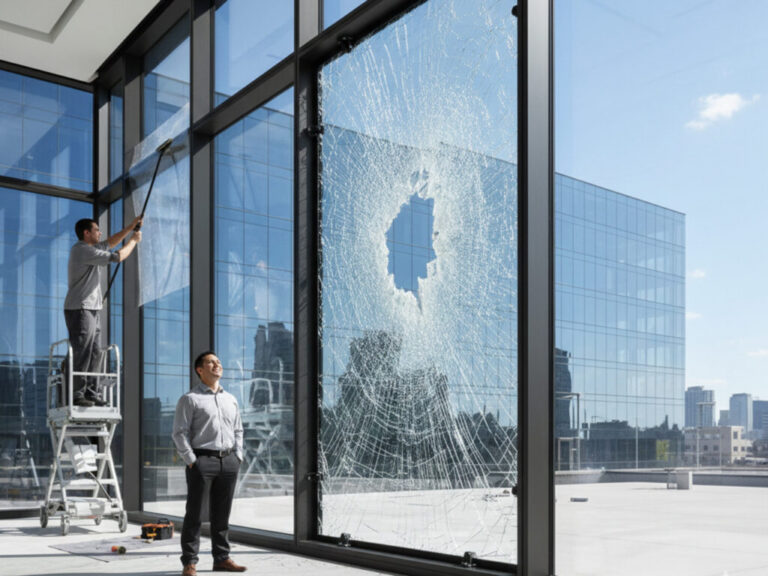
For an existing home with poor solar performance, the decision point is often between window film and exterior shutters. While film is cheaper, it can sometimes cause insulated glass units (IGUs) to crack due to thermal stress if the film absorbs too much heat. The failure mode in this scenario is often “seal failure” in the windows caused by the increased temperature of the glass pane.
Planning, Cost, and Resource Dynamics
The investment in reducing solar gain is often front-loaded, with the payback appearing in reduced utility bills and smaller HVAC equipment sizes.
| Resource/Action | Direct Cost Range | Indirect/Opportunity Cost |
| Solar Modeling/Analysis | Moderate | High if omitted (leads to HVAC oversizing) |
| Ext. Fixed Shading | High | Maintenance of structural attachments |
| High-Performance Film | Low to Moderate | Potential loss of window warranty |
| Deciduous Planting | Variable | Water usage and debris management |
Range-Based Performance Table:
A standard clear double-pane window has an SHGC of roughly 0.70. A high-performance spectrally selective window can reach 0.25. In a 3,000 sq. ft. home, this difference can represent a reduction in cooling load of up to 30-40% during peak summer months.
Tools, Strategies, and Support Systems How to Reduce Solar Heat Gain
-
Sun Path Diagrams: Essential for visualizing solar altitude and azimuth at specific latitudes.
-
BIM (Building Information Modeling): Tools like Revit or Rhino/Grasshopper allow for “Solar Stress” simulations.
-
Pyranometers: Hardware used to measure actual solar irradiance on-site.
-
Spectrophotometers: Used in the lab to verify the wavelength-specific performance of coatings.
-
Climate Consultant Software: Translates raw weather data into actionable design strategies.
Risk Landscape and Failure Modes
-
Thermal Stress Breakage: When shading covers only part of a pane, the temperature differential between the shaded and unshaded glass can cause the pane to snap.
-
The “Daylight Autonomy” Paradox: Over-reducing solar gain can lead to interiors that are so dark they require artificial lighting even during the day, which generates its own heat and negates the energy savings.
-
Reflective Glare: Highly reflective coatings can create “hot spots” in public spaces or blinded drivers on adjacent roads.
Governance, Maintenance, and Long-Term Adaptation
Solar control systems require active management to remain effective.
-
Review Cycles: Operable shading systems should be inspected bi-annually for mechanical wear.
-
Adjustment Triggers: If internal temperatures consistently exceed 75°F (24°C) before the HVAC kicks in, it indicates a failure in the passive solar layer or a degradation of window seals.
-
Maintenance Layering: Fixed external fins must be cleaned; bird nesting in shading devices can obstruct airflow and reduce the “cooling” effect of the shading.
Measurement and Evaluation
Quantitative signals are the primary way to track success:
-
Leading Indicator: Real-time SHGC monitoring via light sensors.
-
Lagging Indicator: Monthly cooling degree day (CDD) energy consumption.
-
Documentation Example: A “Thermal Comfort Log” where occupants record perceived heat vs. actual thermostat readings.
Common Misconceptions
-
“Tinted glass is the best way to stop heat”: Tinting absorbs heat into the glass, which then radiates inward. Reflective or selective coatings are superior.
-
“Double glazing is enough”: Standard double glazing focuses on insulation (U-value), not solar gain (SHGC).
-
“Interior blinds are just as good as exterior”: Once the heat is inside the glass, it is already in the building’s thermal envelope.
Synthesis and Conclusion
Reducing solar heat gain is an exercise in intellectual and architectural honesty. It requires admitting that a “pure” glass aesthetic is often at odds with thermodynamic reality. The most resilient buildings are those that treat solar energy as a resource to be managed rather than an enemy to be blocked. By layering strategies—combining site-specific orientation with advanced material science and exterior physical interventions—we create spaces that remain comfortable and efficient regardless of the sun’s intensity. As our climate continues to shift, the ability to adapt the building skin will be the ultimate measure of architectural longevity.